
- Conjunctivitis (Pink Eye): Inflammation of the conjunctiva, often caused by viruses, bacteria, allergens, or irritants.
- Dry Eye Syndrome: Insufficient tear production or poor tear quality leading to eye irritation and redness.
- Allergic Reactions: Exposure to allergens such as pollen, pet dander, or dust mites can cause redness and itching.
- Subconjunctival Haemorrhage: Blood vessel rupture in the eye due to trauma, coughing, sneezing, or straining.
- Corneal Abrasion: Scratches or injuries to the cornea can cause redness, pain, and sensitivity to light.
- Uveitis: Inflammation of the uvea, the middle layer of the eye, which can be caused by infections, autoimmune diseases, or inflammatory conditions.
Red eye can be triggered by a range of factors, each with distinct symptoms:
Red eye can be triggered by a range of factors, each with distinct symptoms:
- Conjunctivitis (Pink Eye):
- Cause: Viral or bacterial infections, allergens, or irritants.
- Symptoms: Redness, itching, discharge, and sometimes swelling or crusting of the eyelids.
- Dry Eye Syndrome:
- Cause: Insufficient tear production or poor tear quality.
- Symptoms: Redness, irritation, stinging or burning sensation, excessive tearing, and fluctuating vision.
- Allergic Reactions:
- Cause: Exposure to allergens such as pollen, pet dander, or dust mites.
- Symptoms: Redness, itching, watery eyes, swelling of the eyelids, and sometimes nasal congestion or sneezing.
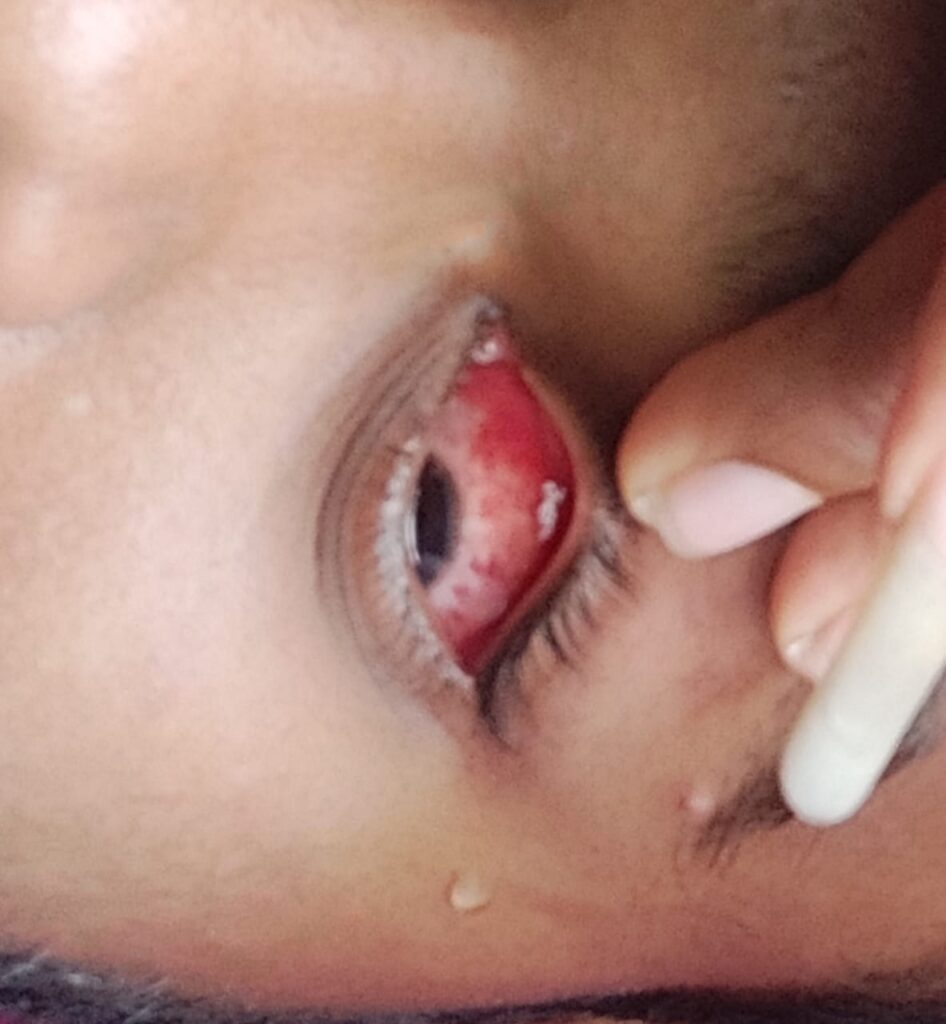
- Subconjunctival Hemorrhage:
- Cause: Rupture of blood vessels in the eye due to trauma, coughing, sneezing, or straining.
- Symptoms: Sudden appearance of bright red patches on the white part of the eye (sclera), usually painless.
- Corneal Abrasion:
- Cause: Scratches or injuries to the cornea.
- Symptoms: Redness, pain, sensitivity to light, tearing, and foreign body sensation.
- Uveitis:
- Cause: Inflammation of the uvea, the middle layer of the eye.
- Symptoms: Redness, pain, light sensitivity, blurred vision, and sometimes floaters or decreased vision.
- Hygiene: Encourage regular handwashing to prevent the spread of infectious causes like conjunctivitis.
- Eye Protection: Advise wearing protective eyewear during activities that could cause eye trauma or irritation.
- Avoidance of Allergens: Identify and avoid triggers for allergic reactions, such as pollen or pet dander.
- Proper Contact Lens Care: Emphasize good hygiene and proper lens cleaning to prevent infections.
- Humidifiers: Recommend the use of humidifiers in dry environments to help prevent dry eye syndrome.
- Hygiene Practices:
- Encourage regular handwashing to minimize the spread of infections, particularly viral or bacterial conjunctivitis.
- Advise against touching or rubbing the eyes, as this can introduce bacteria or irritants.
- Eye Protection:
- Wear protective eyewear during activities that pose a risk of eye injury, such as laboratory work, sports, or woodworking.
- Ensure that safety goggles fit properly and provide adequate coverage.
- Allergen Avoidance:
- Identify and avoid triggers for allergic reactions, such as pollen, dust, or pet dander.
- Keep classroom environments clean and well-ventilated to reduce exposure to allergens.
- Proper Computer Ergonomics:
- Educate students and teachers on proper posture and screen ergonomics to reduce eye strain and dryness during prolonged computer use.
- Encourage frequent breaks to rest the eyes and blink regularly to prevent dryness.
- Healthy Lifestyle Habits:
- Promote adequate hydration, as dehydration can exacerbate dry eye symptoms.
- Encourage a balanced diet rich in omega-3 fatty acids, vitamins A, C, and E, and zinc, which are beneficial for eye health.
Treatment Approaches:
- Topical Eye Drops: Depending on the cause, prescribe antibiotic, antiviral, or anti-inflammatory eye drops.
- Artificial Tears: Provide lubricating eye drops to relieve symptoms of dry eye syndrome.
- Cold Compresses: Use cold compresses to soothe inflammation and reduce redness.
- Steroid Eye Drops: In cases of severe inflammation, prescribe steroid eye drops to reduce swelling and irritation.
- Oral Medications: In certain situations, oral antibiotics or antihistamines may be necessary.
- Topical Eye Drops:
- Depending on the underlying cause, prescribe antibiotic, antiviral, or anti-inflammatory eye drops.
- Instruct patients on proper administration techniques and frequency of use.
- Artificial Tears:
- Recommend lubricating eye drops to alleviate symptoms of dry eye syndrome.
- Choose preservative-free formulations for patients with sensitive eyes or frequent use.
- Cold Compresses:
- Apply cold compresses to reduce inflammation and soothe redness, especially in cases of allergic conjunctivitis or eyelid swelling.
- Oral Medications:
- In severe cases or when systemic involvement is suspected (such as with uveitis), oral medications like antibiotics, antihistamines, or corticosteroids may be prescribed.
- Follow-Up Care:
- Schedule follow-up appointments to monitor treatment progress and adjust management as needed.
- Educate patients on the importance of completing the full course of medication prescribed.
- Scenario 1: A patient presents with red, itchy eyes after gardening. Advising the patient to wear protective eyewear and rinse their eyes thoroughly after gardening can prevent future episodes.
- Scenario 2: A contact lens wearer complains of redness and discomfort. Prescribing antibiotic eye drops and emphasizing proper lens hygiene can treat the infection and prevent recurrence.
- Scenario 3:
- A teacher experiences redness and itching in her eyes after spending time outdoors during peak pollen season. She implements preventive measures such as wearing sunglasses and using over-the-counter antihistamine eye drops to alleviate symptoms.
- Scenario 4:
- A student complains of eye pain and sensitivity to light following a minor injury while playing sports. The school nurse recognizes potential signs of a corneal abrasion and refers the student to an ophthalmologist for further evaluation and treatment.
Complications/Risks of Untreated Red Eye:
- Spread of Infection: Untreated bacterial or viral conjunctivitis can spread to others.
- Corneal Ulcers: Severe infections or untreated corneal abrasions can lead to corneal ulcers, risking vision loss.
- Chronic Dry Eye: Untreated dry eye syndrome can lead to chronic discomfort and potential damage to the cornea.
- Vision Impairment: Inflammation or damage to ocular structures can impair vision if left untreated.
- Vision Impairment:
- Prolonged inflammation or untreated corneal abrasions can lead to vision impairment or permanent damage to ocular structures.
- Chronic Discomfort:
- Untreated dry eye syndrome can cause chronic discomfort, affecting concentration and productivity in both teachers and students.
- Infectious Spread:
- Failure to address infectious causes like conjunctivitis promptly can result in the spread of infection within school settings, affecting multiple individuals.
Red eye encompasses a broad spectrum of conditions that can affect teachers and students alike. By understanding the causes, symptoms, preventive measures, and treatment approaches outlined in this guide, individuals can take proactive steps to safeguard their eye health and minimize the impact of red eye symptoms on daily activities and academic performance. Regular eye examinations and prompt medical attention are essential for timely diagnosis and management of red eye-related issues, ensuring optimal visual outcomes and overall well-being. Let’s prioritize eye health in educational settings to promote a conducive learning environment for all.
Red eye, a common ocular symptom, can affect individuals of all ages, including teachers and students. It encompasses a variety of underlying causes, from benign conditions like conjunctivitis to more serious issues such as uveitis or corneal abrasions. In this comprehensive guide, we will delve into the various aspects of red eye, exploring its causes, symptoms, preventive measures, treatment approaches, and potential complications. By equipping teachers and students with this knowledge, we aim to empower them to recognize red eye symptoms, take appropriate preventive measures, and seek timely medical attention when needed.
Sign up to get Latest Updates
Lorem ipsum dolor sit amet, consectetur adipiscing elit